Resistance Bands vs Dumbbells for a Small Apartment: An Honest Verdict
One fits in a shoebox and costs less than a pizza night. The other is the backbone of every serious home gym. If your training space is a 6 × 4 foot rectangle of living room, which one actually deserves your money first?
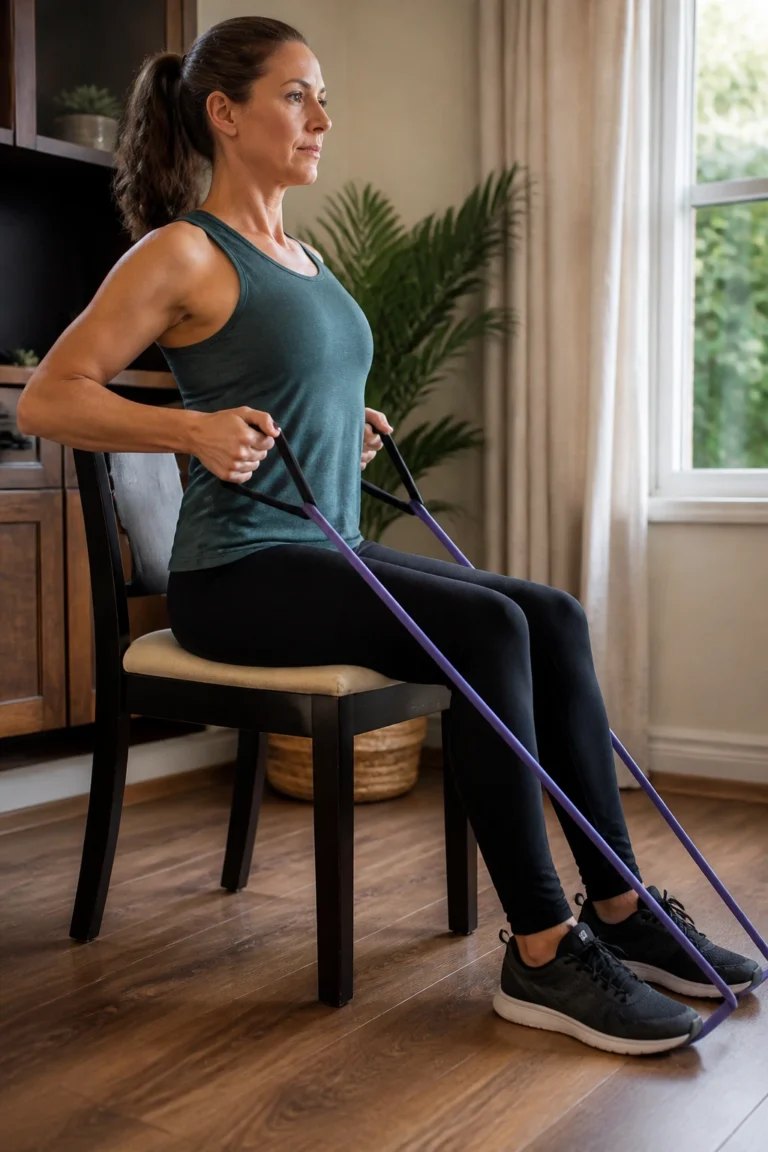
Here's the scene most apartment lifters know too well: a cart full of equipment tabs open, a tape measure on the floor, and the low-grade dread that you'll spend real money on the wrong first purchase — the one that ends up as a $200 coat rack in the corner. Bands or dumbbells? The internet's answer is usually "both!" which is easy to say when it's not your closet doing the storing.
Now picture the version where you chose right. Every workout starts in under a minute. Nothing thuds, nothing clanks, the neighbor downstairs has never once looked up from their dinner. Your gear lives in one drawer or one neat corner stack, and month after month you can point to the exact week a movement got harder — because you made it harder on purpose. That feeling of a program that's actually progressing is the whole game. This comparison is about which tool gets you there in a small apartment, and in what order.
This is the Tier 1 vs Tier 2 decision from our complete tiny apartment home gym guide. If you've already decided on dumbbells, go straight to the compact dumbbell roundup. If you're deciding, stay — the honest answer has a sequence to it.
Affiliate placeholder note: links marked “Check current price” currently point to placeholder routes while our affiliate accounts are being set up. The comparison and price ranges below are real editorial content — see our affiliate disclosure for how we keep money out of the verdicts.
The 60-second verdict
Our verdict
Start with bands; graduate to adjustable dumbbells. Bands win on price, storage, silence, and travel — and for your first 8–12 weeks, they are genuinely enough. Best overall for long-term strength in a small apartment goes to adjustable dumbbells: measurable jumps, a higher strength ceiling, and progression you can write down in a notebook. The sequence matters more than the side you pick.
Head to head
| Factor | Resistance bands | Adjustable dumbbells | Edge |
|---|---|---|---|
| Typical upfront cost | $25–$60 for a full set | $139–$449 depending on ceiling | Bands |
| Storage footprint | A drawer or shoebox (~0.3 sq ft) | 1.2–2.5 sq ft of floor or a small stand | Bands |
| Noise through the floor | Silent — nothing to drop, ever | Low if you set them down, never drop | Bands |
| Progression you can measure | Steps exist but are fuzzy (band + position) | Exact: 2.5–5 lb jumps, logged in numbers | Dumbbells |
| Strength ceiling | Moderate: hardest bands top out quickly on legs | High: 52.5–90 lb per hand covers years | Dumbbells |
| Exercise menu | Rows, presses, pull-aparts, hinges, assisted moves; weak on heavy squats/presses | Everything: press, row, hinge, squat, carry, lunge | Dumbbells |
| Joint feel | Very forgiving; load peaks where muscles are strongest | Constant load through the whole range | Bands (slight) |
| Durability | Latex wears; inspect weekly, replace yearly-ish | Decades with basic care | Dumbbells |
| Travel / guests visiting | Toss in a carry-on | Stays home | Bands |
The case for bands (it's stronger than you think)
Feel a heavy band row for a second: the pull gets harder exactly where your back is strongest, the handles never threaten the floor, and when the set ends you just… let go. Silence. Bands are the only resistance tool that is truly, completely apartment-proof. A full set with a door anchor and handles takes you through rows, chest presses (anchor behind you), overhead presses, deadlift-pattern hinges, pallof presses, and the entire posture-correction menu of pull-aparts and face pulls that desk workers need most.
- Pros: cheapest real start in fitness ($25–$60); zero storage negotiation; silent at 6 a.m.; unbeatable for posture and rehab-style work; travels anywhere.
- Cons: resistance is estimated, not numbered ("the purple band, choked up two inches"); legs outgrow them fast on squats and hinges; latex eventually snaps — inspect before every session and never anchor to anything sharp.
Most major retailers offer easy returns — check the listing before you buy.
The case for dumbbells (the long game)
Now feel the other side: a pair of dumbbells set down gently on the mat after a set of presses, and a notebook that says 35 lb × 9 — last week it was 8. That number is why dumbbells win the long game. Progressive overload is the engine of getting stronger, and dumbbells measure it precisely. Adjustable models put 15+ weights in 1.2 square feet, and the ceiling — 52.5 lb per hand, or 90 if you buy once and buy big — covers years of training. They anchor our silent workout library and pair with everything else on this site.
- Pros: exact, loggable progression; full exercise menu; high strength ceiling; buy once, own for decades; every workout on this site assumes them eventually.
- Cons: real money upfront ($139–$449 typical range); needs a corner, not a drawer; cheap dial mechanisms can rattle — set them down, never drop them.
Most major retailers offer easy returns — check the listing before you buy.
The two setups, priced honestly
Skip ahead: dumbbells + bench corner
Typical street price: $270–$620 all-in
- 52.5 lb adjustable pair ($229–$449 class) plus a fold-flat bench ($120–$180 class)
- Nothing left to want for years of upper- and lower-body training
- Needs ~7 × 4 ft while training, one honest corner while stored
This is where most committed lifters end up. Notice the number — then look at the smart start below.
Band-first start, dumbbells in month three
Typical street price: $86–$160 to start today
- Band set with door anchor ($25–$60) + a 24 sq ft mat ($25–$60)
- Learn every movement quietly while you save for the dumbbell tier
- The bands never retire — they become your posture and travel kit
After seeing the full-setup price, this is the sequence we'd hand a friend: start now for the price of a night out, upgrade with proof you'll use it.
Check current priceMost major retailers offer easy returns — check the listing before you buy.
Who should skip straight to dumbbells?
If you've trained before and know you'll be consistent, if your budget comfortably covers the $200–$450 tier, or if your main goal is maximum strength — go straight to dumbbells and use bands as the accessory they naturally become. If you're rebuilding a habit, testing whether home training fits your life, or working around a downstairs neighbor with a baby, bands first is not a compromise; it's the statistically smarter start. Either way, if you want a zero-gear on-ramp while you decide, our no-equipment beginner plan is free and silent.
Bands vs dumbbells FAQ
Can you build real muscle with resistance bands alone?
Yes, especially as a beginner: muscles respond to hard effort close to failure, and bands can deliver that for most upper-body and posture movements. Where bands run out first is heavy lower-body work — squats and hinges outgrow even stacked heavy bands relatively quickly. That's the natural moment to graduate to dumbbells.
Are dumbbells too loud for an apartment?
Adjustable dumbbells are quiet when used the apartment way: picked up and set down under control, never dropped, always over a mat. The noise rules are simple and they're the same ones in our silent training guide. Bands are the only tool that's silent by physics rather than by discipline.
How long before bands become too easy?
For most beginners, 8–12 weeks of consistent training before the heaviest band feels limiting on rows and hinges — sooner for leg work. Treat that as a graduation date, not a failure: the bands then become your warm-up, posture, and travel kit.
What breaks first on cheap bands?
The latex itself: micro-tears near handles and anchor points. Inspect before each session, keep bands out of sunlight, and retire anything with visible nicks. A snapping band is loud, startling, and entirely avoidable.
Health note: General fitness information for healthy adults, not medical advice. Bands can snap if damaged — inspect them, anchor them to a closed, latched door, and never stretch a band toward your face. Stop any movement that causes sharp pain, and see a qualified professional for persistent symptoms.
Decided? Get the free Starter Checklist.
The bands-vs-dumbbells sequence, the mat, and the exact buy order that saves apartment lifters the most money — one printable page. Peek at what's inside first if you like.
One short email. No spam, no list-selling, unsubscribe anytime.

Written by Alex Rivera
Alex is an editor-reviewed persona created for Tiny Apartment Gym. Comparisons here are built from manufacturer specs and aggregated owner reviews — no pick is ever bought or paid for. How we handle affiliate links.